

Peptide research has grown fast in the last decade, and several parts attract as much attention as metabolic study. For researchers discovering fat burning and human anatomy composition, determining the injectable BPC-157 for sale depends greatly on study style, compound purity, and the particular organic pathway below investigation. This overview answers popular issues and features notable data details to support informed laboratory work.
Which peptides are most studied for weight management?
Several ingredients take control metabolic research. Semaglutide and Tesamorelin usually come in printed literature, while MOTS-C has gained grip in reports reviewing mitochondrial function. Each performs via a specific device, so primary reviews involve consideration to the investigation goal.
What do the statistics say about peptide research growth?
Fascination with metabolic peptides has surged. Medical and preclinical study sizes in that group have widened somewhat during the last five decades, showing broader scientific awareness about how exactly peptides effect hunger signaling, glucose regulation, and energy expenditure. Researchers report that love levels above 98% are now actually regarded a standard expectation for reliable, reproducible results.
How does compound purity affect research outcomes?
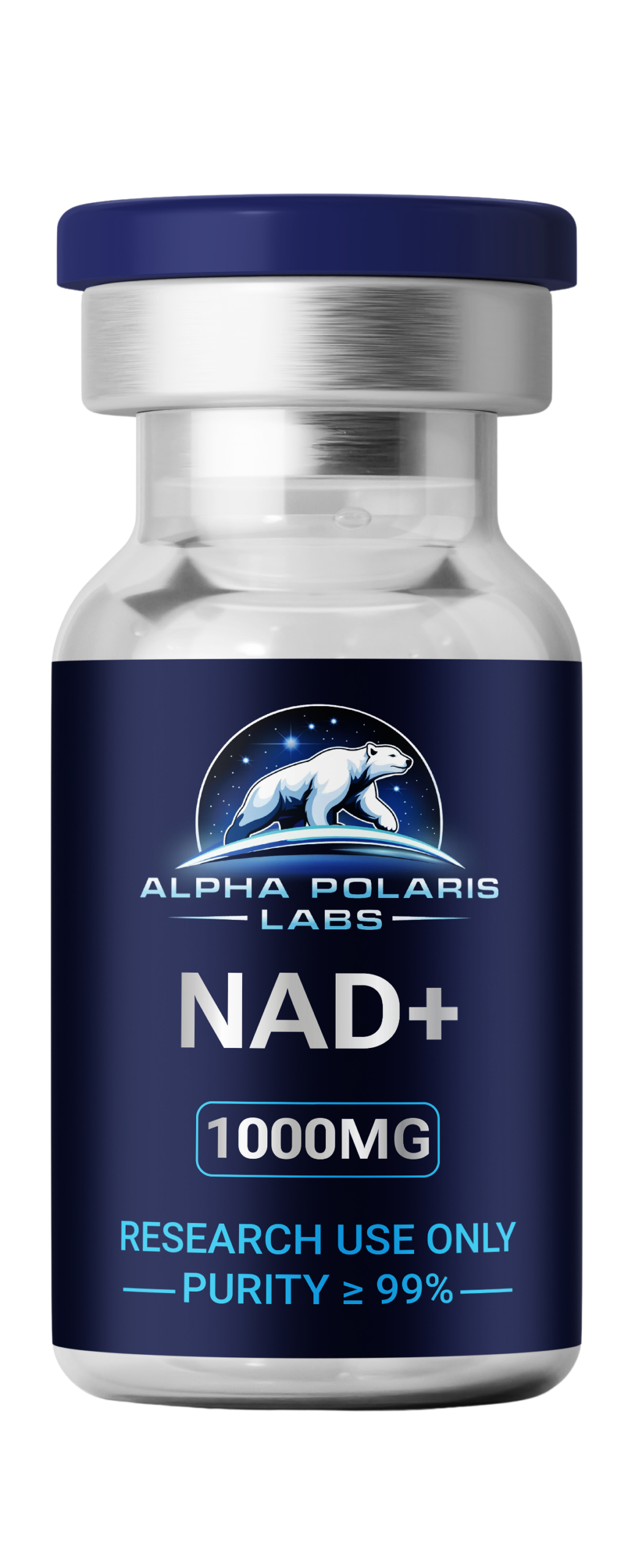
Love is one of the most critical facets in just about any study. Also little variations in contamination can skew knowledge and bargain reproducibility. This is the reason third-party testing matters. Every peptide from Alpha Polaris Labs undergoes independent laboratory confirmation, including HPLC love examination, LC-MS identification evidence, and quantitative endotoxin testing. Certificates of evaluation accompany each get, giving researchers measurable assurance within their materials.
Why does mechanism of action matter when selecting a peptide?
No single peptide fits every study. Semaglutide is usually analyzed for their role in appetite and glucose pathways, while Tesamorelin is learned with regards to fat circulation and development hormone activity. MOTS-C, by contrast, pulls fascination for their connection to cellular power metabolism. Selecting the best substance suggests matching the process to the research problem rather than assuming one solution suits all.
What should researchers consider before sourcing peptides?
Stability and transparency should guide every purchasing decision. Look for recorded testing, consistent batch quality, and distinct sourcing practices. Leader Polaris Labs vessels requests from within the United Claims within 24 company hours, with discreet appearance and supply on average completed in two to five company days. Free domestic shipping pertains to qualifying orders over $200.

Are these peptides safe for personal use?
No. Every ingredient discussed here is intended strictly for lab study purposes. These peptides are not for individual or dog consumption. Responsible study starts with respecting these limits and adhering to all relevant security and regulatory standards.
How can researchers ensure consistent, reproducible results?
Uniformity starts with the source chain. Working with approved, high-purity materials reduces factors and strengthens the reliability of any dataset. Standardized managing, proper storage applying bacteriostatic water, and accurate certification further help trustworthy outcomes across repeated trials.
Final Considerations for Peptide Research
There's no common reply to which peptide performs best for weight-related examine, since the best choice adjustments with each research objective. What remains continuous is the requirement for quality, transparency, and arduous testing. Researchers who prioritize tested purity and reliable sourcing place their function for tougher, more reproducible findings. For laboratories seeking trustworthy research-grade ingredients, Leader Polaris Labs offers third-party tested peptides guaranteed by full certificates of analysis and reliable nationwide delivery.